Brand Review
Zevia Brand Review (2026): Best Zero-Sugar Soda, Ginger Beer, and Energy Picks
A practical, label-first look at Zevia’s sweeteners, flavors, and which cans make the most sense for a zero-sugar lifestyle.
GHOST Energy combines a full 200 mg caffeine dose with loud collaboration flavors and a transparent label—here is where it fits in a zero-sugar routine.
LumaZero participates in the Amazon Associates program and other affiliate advertising programs. When you click product links on this page and make a purchase, we may earn a commission at no additional cost to you. Our editorial recommendations are based on genuine research and are never influenced by affiliate relationships. Learn more about our affiliate policy.
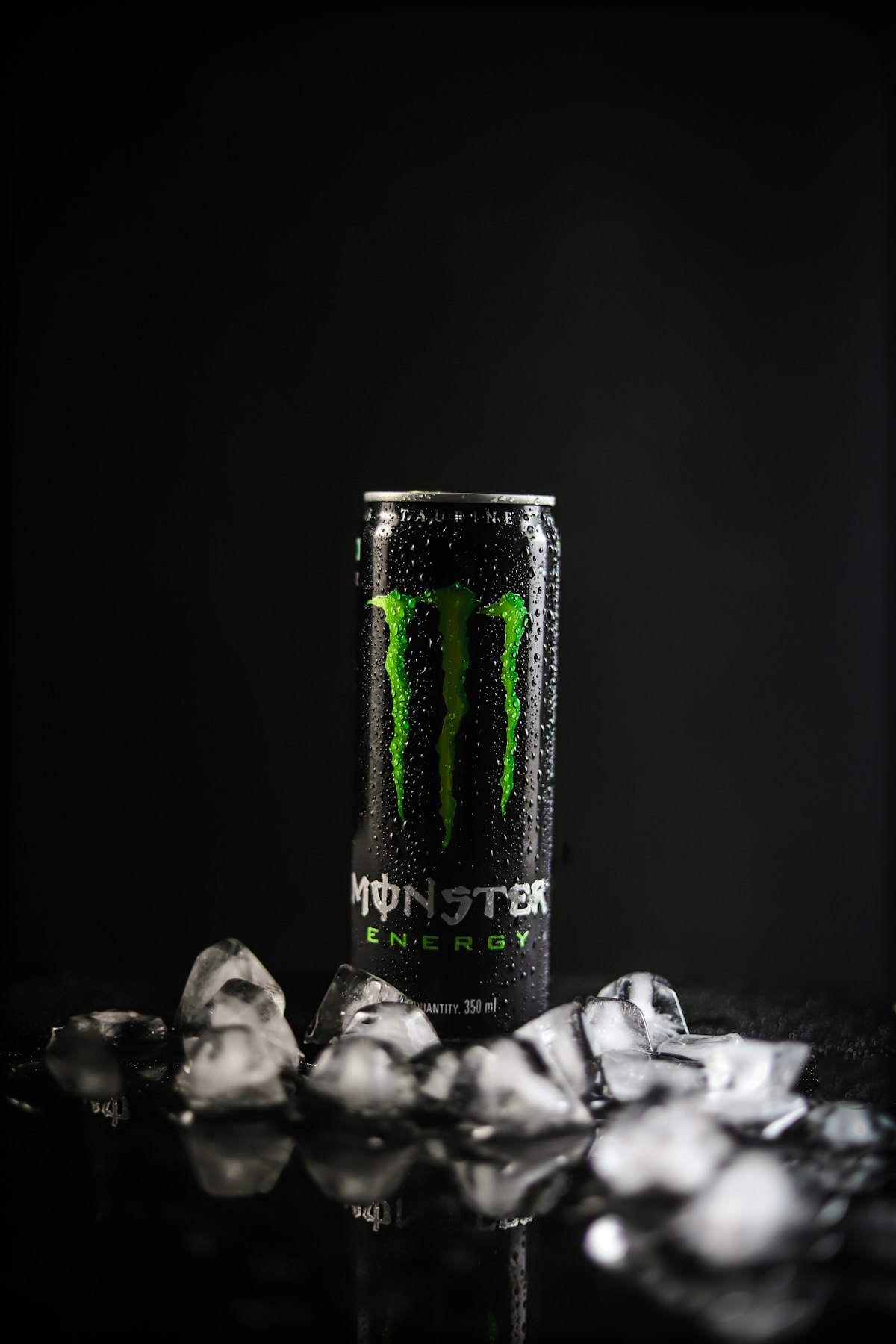
GHOST Energy is built to be noticed. The cans are bright, the flavor names are unapologetically nostalgic, and collaborations with candy brands make the drink feel closer to a treat than a traditional pre-workout. Under the packaging, though, the proposition is straightforward: a zero-sugar energy drink with a meaningful caffeine dose and a label that tells you what is doing the work.
That combination makes GHOST interesting for zero-calorie shoppers. It is not the lightest-caffeine option on the shelf, and it is not trying to be a plain sparkling water. It is a flavor-forward, 200-milligram energy drink for people who want a strong lift without paying for it in sugar.
GHOST Energy is a good pick if you want bold flavors, zero sugar, and enough caffeine to replace a coffee plus a smaller afternoon drink. The Sour Patch Kids collaboration is the obvious starting point for candy fans, while the core lineup gives the brand more everyday range than the novelty packaging suggests.
The main drawbacks are the same ones that make it appealing: 200 mg can feel like a lot if you are caffeine-sensitive, and the sweeter flavor profile may become tiring if you drink it every day. For a gentler daily option, compare it with CELSIUS Peach Mango. For a stevia-sweetened drink with a lighter feel, Zevia Energy Mango Ginger is a useful contrast.
Most GHOST Energy cans provide 200 mg of caffeine per 16-ounce serving, with zero sugar and very few calories. The formula also commonly includes ingredients such as taurine, L-carnitine, alpha-GPC, and a branded coffee-fruit extract. These additions are part of the brand’s performance positioning, but caffeine is still the ingredient most likely to determine how you feel after drinking it.
That transparency is a strength. You do not have to decode a proprietary “energy blend” to find the caffeine amount, and the label separates the headline stimulant from the supporting ingredients. The formula is also more substantial than a lightly caffeinated soda, so it makes sense to treat one can as a complete caffeine serving rather than as something to casually stack with coffee.
Zero sugar does not mean zero stimulation. If you are pregnant, sensitive to caffeine, taking medication, or managing a health condition, check with a qualified clinician about your total daily intake. For everyone else, the practical rule is simple: count GHOST as 200 mg toward your day, and avoid chasing the initial lift with another high-caffeine drink.
GHOST’s biggest advantage is flavor ambition. Instead of staying inside the usual citrus, berry, and tropical lanes, the brand leans into recognizable candy and dessert references. That creates a more memorable first sip and gives the line a clear identity in a crowded cooler.
The trade-off is sweetness. Even without sugar, strong flavor systems can taste intense, especially when the drink is warm or consumed quickly. Chilling the can makes the carbonation feel cleaner and keeps the finish from becoming as heavy. Pouring it over ice can also make a collaboration flavor easier to drink slowly.
The GHOST Energy Sour Patch variety is the best place to start if you want to understand the brand. It offers the playful flavor direction that makes GHOST different, while a variety pack lets you find out whether you prefer the sour edge or a more conventional fruit profile before committing to a single case.
A useful comparison is not simply which can has the most attractive flavor. Consider caffeine dose, sweetness, and how often you plan to drink it.
| Factor | GHOST Energy | CELSIUS | Zevia Energy |
|---|---|---|---|
| Typical caffeine | 200 mg per can | Often around 200 mg per can | Generally lower than GHOST, depending on format |
| Sugar | 0 g | 0 g | 0 g |
| Flavor style | Candy-inspired and bold | Fruit-forward and bright | Soda-like, with a stevia finish |
| Best use | A strong, flavor-led lift | Workout or busy-morning routine | A lighter-feeling soda alternative |
| Main watch-out | Can be intense for caffeine-sensitive drinkers | Some flavors taste sharp or tea-like | Stevia aftertaste may be noticeable |
The table points to the real distinction: GHOST is not automatically “better” because its flavor is bigger. It is better suited to someone who wants energy drinks to feel fun and substantial. CELSIUS is often the more restrained fitness-oriented choice, while Zevia works for shoppers who prioritize a shorter, soda-adjacent experience.
Buy GHOST Energy if you want a zero-sugar drink with a full caffeine serving, distinctive flavors, and a can that feels more like a planned ritual than plain fuel. It is especially appealing before a morning workout, during a long work block, or on a travel day when you want predictable caffeine in a portable format.
It is less compelling if you already drink multiple coffees, dislike sweet flavors, or want a very low-stimulant beverage for sipping throughout the day. In those cases, sparkling water or a lower-caffeine option gives you more flexibility. It is also not a substitute for sleep, food, or hydration; the drink can help with alertness, but it does not solve the reason you are tired.
Start with half a can if 200 mg is new to you. That lets you assess the flavor and stimulant effect without turning a preference test into an uncomfortable afternoon. Drink it earlier rather than later if caffeine affects your sleep, and keep plain water nearby because a zero-sugar energy drink is still not the same thing as hydration.
Pay attention to your own response. A clean label and zero calories are helpful, but they do not override individual caffeine tolerance. If GHOST tastes too intense for daily use, rotate it with sparkling water, decaf coffee, or a milder energy drink instead of forcing one product to serve every occasion.
GHOST Energy succeeds because it makes a familiar category feel specific. The 200 mg caffeine dose is clear, the zero-sugar format fits a calorie-conscious routine, and the collaboration flavors give the brand a reason to exist beyond another citrus can. It is a strong choice for flavor seekers who want a decisive lift, with enough variety to keep the experience interesting.
The best approach is to treat it as a high-caffeine beverage, not as an all-day refresher. Start with the Sour Patch flavor variety, drink it cold, and compare it with a more restrained option before deciding whether it belongs in your weekly rotation.